
6 Tree Stand Exit Strategies for Hunting the Rut
Exiting Your Tree Stand Undetected While Hunting the Rut
Getting to your hunting tree stand undetected is a prerequisite for choosing a spot to hang it. If you cannot navigate through the woods silently and scent free then the game is up. You will spend countless hours staring at an empty forest or field edge. However, increasing success in the rut is not only about the route you take to your stand but also how you exit it. With that said, how come hunters spend very little time trying to conceal their exit from their tree stands?
Few too many hunters do not consider their tree stand exit strategy. How many times have you climbed down, packed your tree stand accessories and started out only to be startled by the sound of a deer snorting at you? Whether there are deer around you as darkness looms or you simply want to reduce your presence in a prime rut location, having a plan for leaving your stand, or your hunting blind, can produce results that may otherwise be unnoticed. Having a tree stand exit strategy is as important as planning your entry route. Even if you have not seen any deer, carelessly exiting your tree stands can blow your chances when hunting the rut.
Planning for an Exit
The rut is different as we all know. Deer are completely out of their early fall patterns and many mature bucks are in chase mode. This time of year it is even more important to have a clean and clear stand exit strategy. Hunting the rut only gives you a small window of time to hunt so preparing beforehand is critical to making every day count.
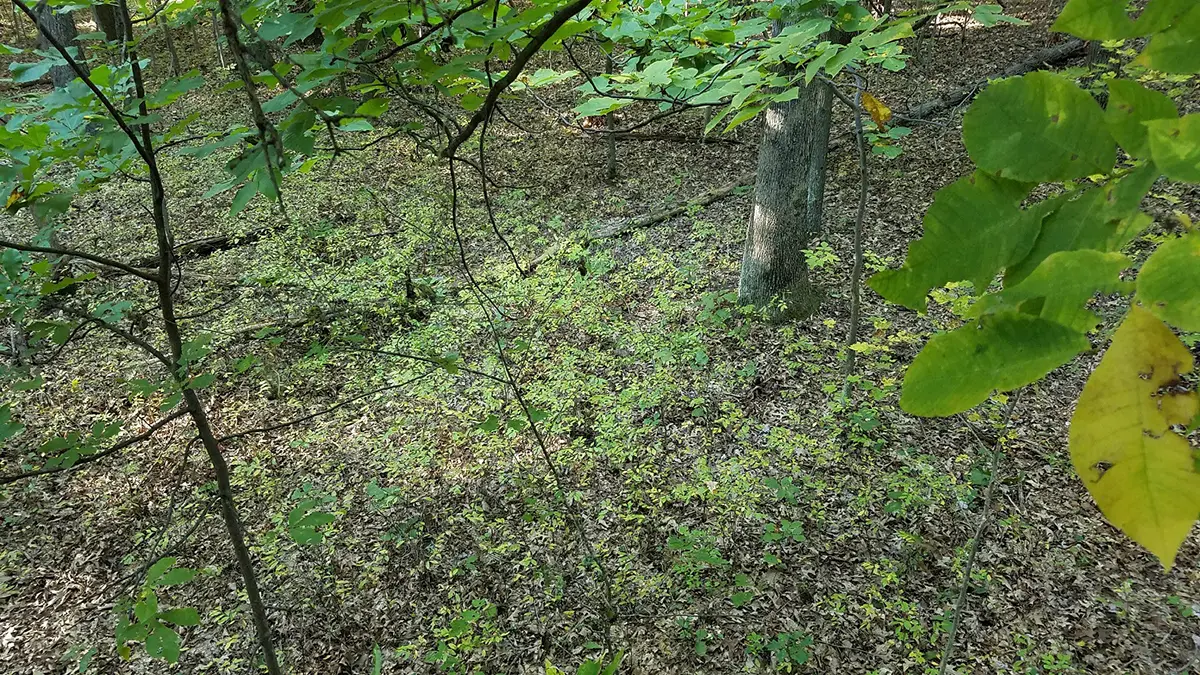
Low-impact is what you are trying to achieve, both entering and exiting your tree stands. Planning for an exit from a stand is accomplished with good preparation. Complete scouting of areas to determine likely deer movements, habitat features and prime forage areas helps to determine where to hang a tree stand but it also gives you an idea of how to get in and out.
Use maps and aerial photos of your hunting area to pick routes that will disturb deer the least. Avoid areas that could be used for bedding spots like thickets near reliable food sources and defined funnels that bucks can be patrolling during the rut. You also want to avoid noticeable buck activity like scrapes and rub lines. Leaving hunting stands and blinds by crossing a scrape line will get you noticed by the big boys and blanked for the rest of the rut!
Another part of hunting the rut is planning to take your time not only hunting but when you are exiting your stand. Hunters take their time getting to their tree stands, wait patiently for a buck to approach while in them but leave in a flurry like something is chasing them. Rushing to exit your stand will create unnecessary noise as you rush to collect all your necessary hunting accessories alerting any deer that may be off in the distant shadows. Plan you exit routes so that you can take your time getting out of your hunting locations silently.
Additionally, effective entry routes may not make the best exit paths. Entering a hunting location depends on a number of factors like season, time of day and weather. Each of these three factors, along with others, impact how you should enter a particular spot. The same holds true for exiting any of your portable or ladder tree stands. Late in the day deer may be approaching food sources unlike when you started hunting when they may have been near bedding areas. You want to make sure your exit plans take these factors into account. Finally, conditions should also dictate if you should even hunt a particular stand on a given day. If the conditions (wind, changing deer activity, etc.) are not going to allow you to exit without making your presence known then choosing a tree stand location somewhere else is in your best interest.
Common Sense Ways to Exit Your Tree Stands
Before we get into specific tree stand exit strategies, there are a few common sense approaches to leaving your hunting tree stands. The more you are careful when leaving your tree stands the more productive they will be during the rut.
- No Talking – Not hard to do if you are hunting by yourself but when hunting with a friend the temptation to ask about what they saw is overwhelming. Save the stories for the truck.
- Stay Concealed – If you are leaving a stand during daylight hours, keep your camo on until you at least get out of your main hunting area. Stripping down to a visible base layer shirt can easily get you picked out while leaving your stand.
- Lower Lumens – Flashlights are a must for exiting tree stands at night but avoid those that could be substituted for a spotlight. Use just enough light to get out quietly or change to a colored variant that is less visible by deer.
6 Tree Stand Exit Strategies
How many times has the sun slipped away and you hear the sounds of approaching deer in the distance? Shooting light is no more but you can just make out the outline of a deer body followed by the shine of antlers. It is too dark to shoot but you do not want to ruin this location for future hunts, so what are your exit options? Hopefully, this example is an exception and not the rule when you are hunting the rut. Regardless, it pays to have a good exit strategy from your hunting stands and blinds. Here are five ways to get out of your stand when deer are nearby.
- Stay Put. The best option when deer are around you after shooting light or when you need to get out of your stand is to wait them out. Staying in your stand until they have moved on will keep them from realizing you are there and potentially blowing your hunting spot in the future. After they are gone, slip down and leave quietly. The downside is this may take all night!
- Announce Your Presence. There are times when you cannot wait them out. When you have to go, spooking them with something other than “I am a hunter” is the next best strategy. Carry a coyote howl or other predator call with you for these situations. Sounding off a predator call will have any deer in your vicinity heading away without directly connecting their alarm to your tree stand. Use this sparingly and only when staying put is not an option. Use this strategy too much, however, and deer start to know something is up.
- Go Wide. Sometimes deer are not directly under your stand but rather feeding in a nearby field or food plot. For these instances, slowly and quietly climb down or exit your archery blind and take a wide path around the deer as to not let them know you are there.
- Multiple Escape Routes. Being able to go wide when leaving your stand is only possible when you have planned multiple exit locations. You want to have one main exit path, pre-planned as described earlier and up to two alternative locations to exit from. This is critical when hunting the rut as deer can be anywhere chasing does and your first choice may not be available. Using trail makers can help you identify alternative routes when the time comes to use them.
- Choose Wisely. Not only do you need multiple exit routes but they should be chosen wisely. Stay away from active deer areas like food sources. Also, trim exit paths to avoid brush busting and spreading scent as you leave your tree stands.
- Use Common Disturbances. This technique requires the right area and some help. When hunting urban areas and agricultural spots, deer are used to cars, trucks, tractors and other common disturbances. Having one of these spook deer away from you is natural for deer in these areas. Take advantage of waiting for a car to pass by or call in a buddy to bring the tractor to the field to push deer away from your hunting stands and blinds. Deer will vacate and will just think it is another normal day to day disturbance, which they will not associate with your hunting spot.
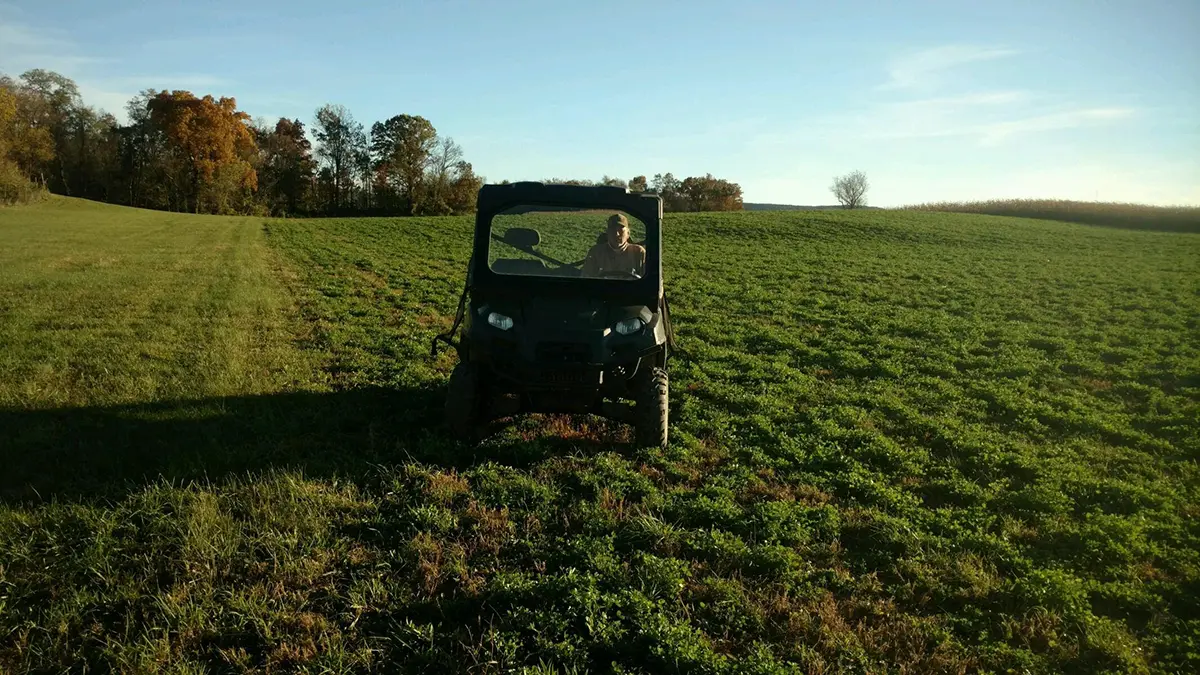
There are many tips for hunting the rut but being undetected is often your best hunting strategy. Mature bucks will be cruising for does and deer, in general, will be outside of their normal patterns. It is more important this time of year to stay concealed than deciding where to hang a tree stand. An average stand location with the ability to get in and more importantly out concealed is better than one that has difficult access but sits over exceptional deer sign. What is the point to sit over sign if you are alerting everything in the woods to your existence? Exiting silently will make for better future hunts in the rut and increase your chances of running into a mature buck. Seeing bucks in the rut is not always related to the amount of rut activity (scrapes and rubs) but rather it is connected to the number of deer you alert to and from your tree stands.
Exiting your tree stands should always be done methodically. From collecting all your tree stand accessories to safely climbing down, the end of a hunt is not the time to get sloppy. The same holds true for leaving your hunting area. If you are not well prepared or you have not thought of tree stand exit strategies, you may reduce your chances the next time you return to that particular spot. It is all about staying undetected during the rut. Be conscious of remaining concealed from start to finish of every hunt because that is what separates those who are consistently successful from those that are consistently baffled.
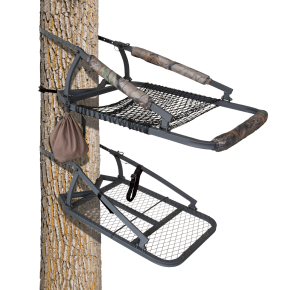
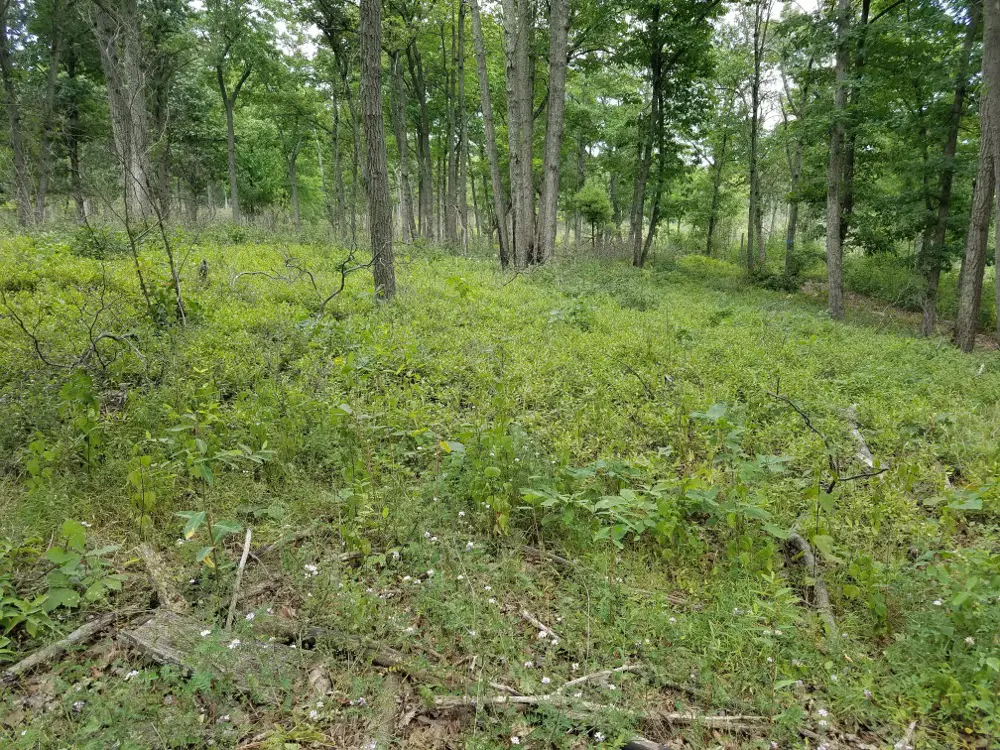 With mobile archery hunting, you are moving from area to area without much prior knowledge to rely on. For that reason, it is important to consider basic areas that consistently hold deer. Focusing your bow hunting tree stands in these areas will significantly improve your chances of getting close to a shooter buck.
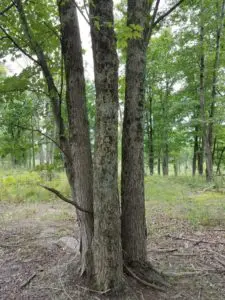 Although not a detailed list of places to hang your tree stand, focusing on food, water and cover are good places to start when you are going into an area that has not been scouted. Furthermore, even archery hunters going mobile have to keep in mind the basic principles of where to place a tree stand. First, make sure your tree stand is downwind of where you believe a buck will approach from. Even with good scent management, the last thing you want is to have the wind blowing right up a buck’s nose as he is approaching towards you. Next, you have to consider the type of tree for your stand. Choose multi-stem deciduous trees to cover any slight movements like checking ranges or drawing your bow. Finally, consider visibility when choosing a tree stand location. You want a concealed location but not too concealed that the fall leaves and other trees prevent you from seeing incoming bucks. With mobile archery hunting, there is limited time to manicure trees and surrounding brush when you do find a good hunting spot. Add a small set of clippers to your pack to quickly trim stand trees and make shooting lanes from your stand.